Loading...
Knowledge Centre News and Media Career Association

Knowledge Center

About Die Casting

Die casting is a process where molten metal is injected into a steel mold under high pressure to create precise, detailed parts. It’s known for producing high-quality, consistent components quickly. This method is widely used in industries such as automotive and aerospace.

FAQ's

Aluminum High Pressure Die Casting (HPDC) is a precision metal forming process in which molten aluminum alloy is injected into a hardened steel die (mold) at extremely high pressures — typically ranging from 10 to 175 MPa (1,500 to 25,000 psi).

The metal solidifies rapidly under pressure, producing net-shape or near-net-shape components with excellent dimensional accuracy and surface quality.

HPDC is distinguished by:

  • Pressure: High injection pressure enables thin walls and complex geometries.
  • Speed: Fast cycle times of 15–60 seconds for high-volume production.
  • Material: Aluminum alloys like ADC12, A380, and AlSi10MnMg provide excellent castability and strength.

For aluminum applications, cold-chamber die casting machines are used because aluminum has a high melting point of approximately 660°C.
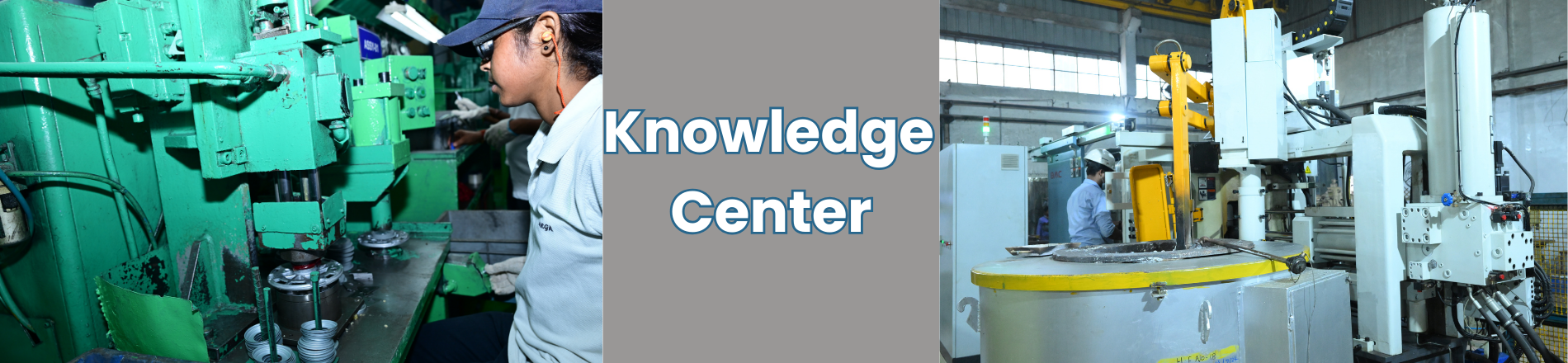
The HPDC process follows a sequential and highly repeatable manufacturing cycle:

  1. Die Preparation & Lubrication: The die is cleaned and lubricated to prevent sticking and extend die life.
  2. Metal Ladling: Molten aluminum (640°C–720°C) is transferred into the shot sleeve.
  3. Injection: A hydraulic plunger injects the molten metal into the die cavity at high velocity.
  4. Solidification Under Pressure: Intensification pressure minimizes shrinkage and porosity.
  5. Part Ejection: The die opens and ejector pins remove the casting.
  6. Trimming & Finishing: Flash removal, shot blasting, machining, and inspection are performed.

Key Process Parameters:

  • Injection velocity: 0.1–0.5 m/s slow shot, 20–90 m/s fast shot
  • Intensification pressure: 40–175 MPa
  • Melt temperature: 640°C–720°C
  • Die temperature: 150°C–250°C
  • Cycle time: 15–60 seconds

Manufacturing Advantages:

  • Exceptional dimensional accuracy with minimal machining
  • Very high production rates
  • Excellent surface finish
  • Thin wall capability for lightweight designs
  • Complex geometry achievable in a single shot
  • Low per-part cost at high production volume

Material Advantages of Aluminum:

  • Lightweight — approximately one-third the weight of steel
  • High strength-to-weight ratio
  • Excellent corrosion resistance
  • Superior thermal conductivity
  • 100% recyclable and sustainable
  • EMI/RFI shielding capability for electronics and EV applications

Process Dimensional Accuracy Surface Finish Production Rate Best For
HPDC Excellent (±0.1 mm) Excellent (Ra 0.8–1.6) Very High (500–1000/hr) High-volume, thin-wall parts
Sand Casting Poor (±1.5 mm) Rough (Ra 6.3–25) Low (1–20/hr) Large parts & prototypes
Gravity Die Good (±0.4 mm) Good (Ra 1.6–6.3) Medium (50–100/hr) Medium-volume thick-wall parts
Investment Casting Very Good (±0.2 mm) Very Good (Ra 1.6–3.2) Low–Medium Complex precision parts
Low Pressure Good (±0.3 mm) Good (Ra 1.6–6.3) Medium (30–80/hr) Structural & wheel components

HPDC is the preferred process for high-volume production of thin-wall, lightweight aluminum components with high dimensional precision.

Industry / Market Typical Applications
Automotive Engine blocks, EV battery trays, transmission housings
Consumer Electronics Laptop chassis, smartphone frames, heat sinks
Industrial Equipment Pump housings, hydraulic components, compressor parts
Aerospace & Defense Brackets, housings, structural members
Energy Solar structures, EV charging hardware
Medical Devices Imaging equipment housings and enclosures
Telecommunications 5G base station enclosures and connector housings
Appliances Power tool housings and compressor parts

The automotive industry remains the largest consumer of aluminum HPDC components globally, especially with the rapid growth of electric vehicles.

Design Element Best Practice
Wall Thickness Maintain uniform thickness of 2–4 mm
Draft Angles Apply 1°–2° draft for easy ejection
Fillets & Radii Use minimum 0.5–1 mm fillets at corners
Ribs & Bosses Rib thickness ≤ 60% of wall thickness
Undercuts Minimize undercuts to reduce tooling complexity
Tolerances Use tighter tolerances only where required
Surface Finish Specify machining allowance where necessary
Porosity Control Use vacuum-assisted HPDC for leak-critical parts

Additional Recommendations:

  • Perform DFMEA early during product development
  • Use simulation tools such as MAGMASOFT or ProCAST
  • Involve suppliers during DFM review
  • Clearly define GD&T and machining datums

Dojo Room

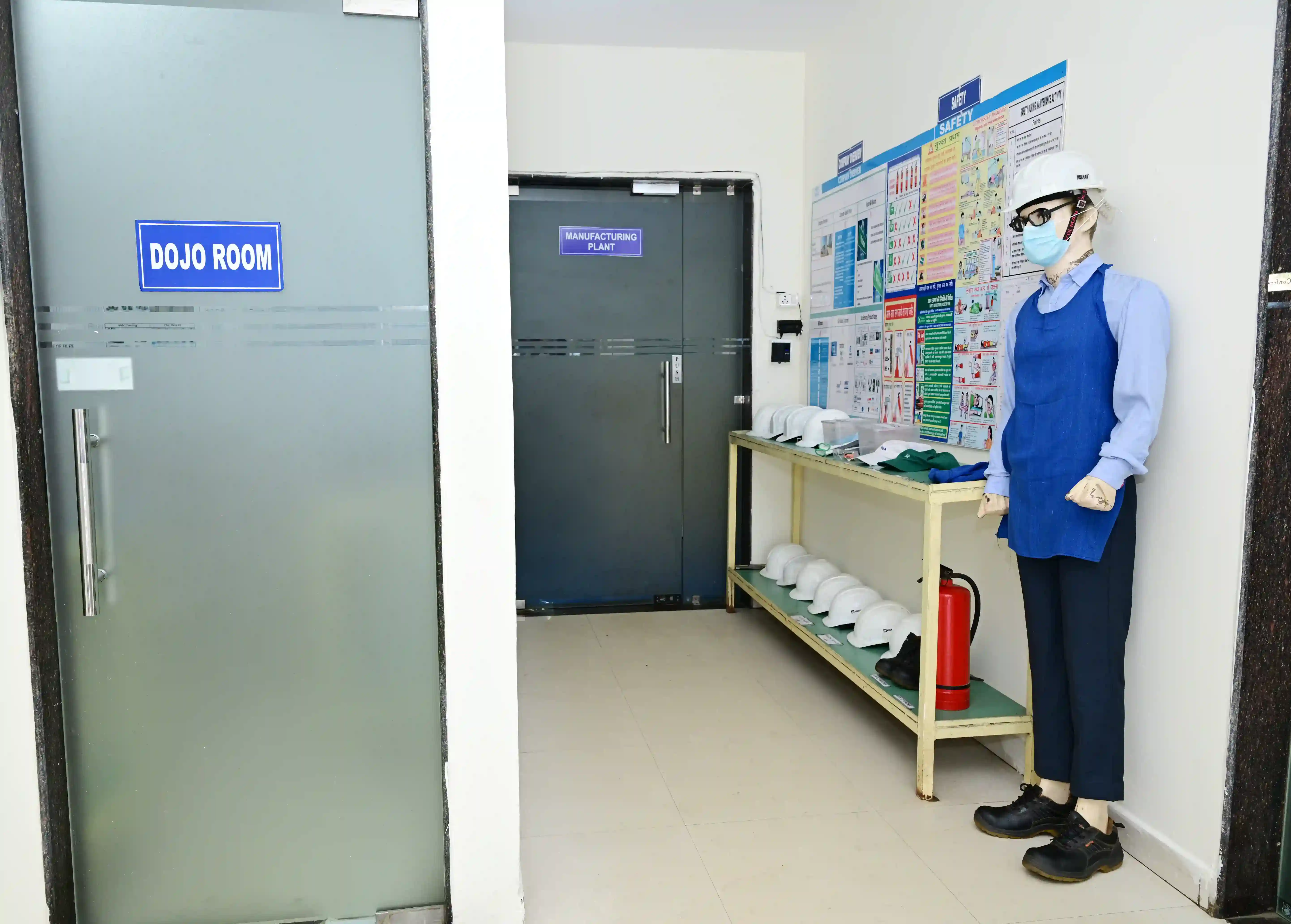
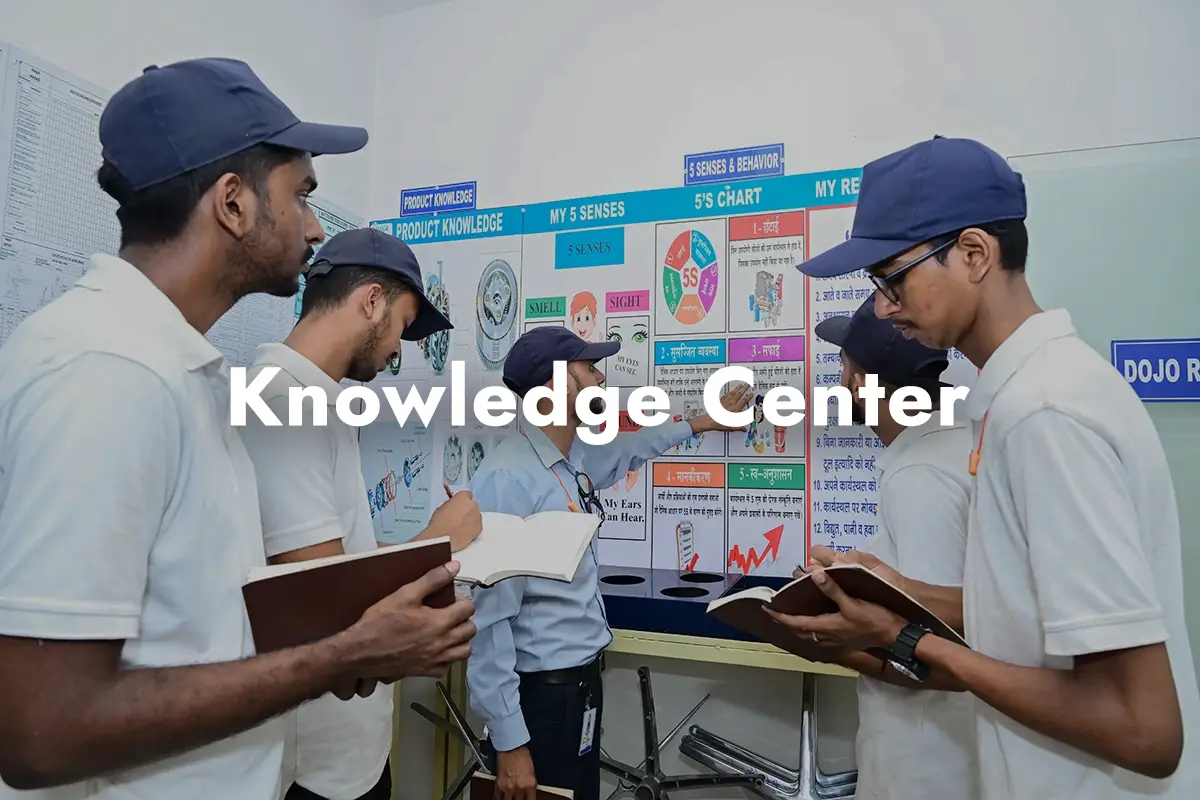
Welcome to the Dojo Room within our aluminium die casting facility. This specialized room is designed to serve as a hub for technical training, quality control, and continuous improvement in the die casting process. The term "Dojo" reflects our commitment to mastering our craft with precision, discipline, and excellence.

Training Philosophy

The Dojo Room embodies our philosophy of excellence and continuous improvement in aluminium die casting. Our goal is to empower every team member with the knowledge and skills needed to excel in their roles, drive operational excellence, and contribute to the overall success of our facility.

Room Features

Training Stations

The dojo room features multiple training stations equipped with advanced die casting simulations and real-world process models. Each station provides hands-on experience with aluminium die casting techniques, allowing operators and engineers to refine their skills and understanding of the process.

Safety Equipment

The room is equipped with personal protective equipment (PPE) and emergency response tools to ensure a safe learning environment. Safety is a top priority, and all training includes a focus on maintaining the highest safety standards.

Interactive Displays

Interactive displays and digital interfaces provide visual and auditory feedback during training exercises. These displays help illustrate complex concepts and enhance understanding through engaging, hands-on learning experiences.

Quality Control Stations

Dedicated areas within the dojo room are set up for quality control training. Here, trainees learn to use various measurement tools and techniques to assess the integrity and precision of die-cast components, ensuring they meet stringent quality standards.